Posted on

Why is New Holland Bale Wagon Hydraulic Maintenance so critical?

New-Holland-Bale-Wagon-Hyraulics

Regular Maintenance is the critical factor

Fluid contamination is the leading cause of hydraulic system failure, responsible for up to 75% of all issues. 
 Clean hydraulic oil and properly serviced filters are essential for protecting pumps, valves, cylinders, and motors. Regular hydraulic maintenance to your New Holland Bale Wagon and Stackcruiser helps prevent system failures, ensuring equipment reliability and longevity. As a matter of fact checking oil level and condition regularly, replace filters according to the equipment manufacturer’s schedule or filter-restriction indicator, and change hydraulic fluid at the OEM-recommended interval or based on oil analysis. Dust, heat, water, heavy loads, and frequent use may require shorter service intervals. Never rely on a universal hour interval—always follow the machine manual and use the correct fluid and filter specification.

See the article below [Read more] for more direction to lessen hydraulic failures.

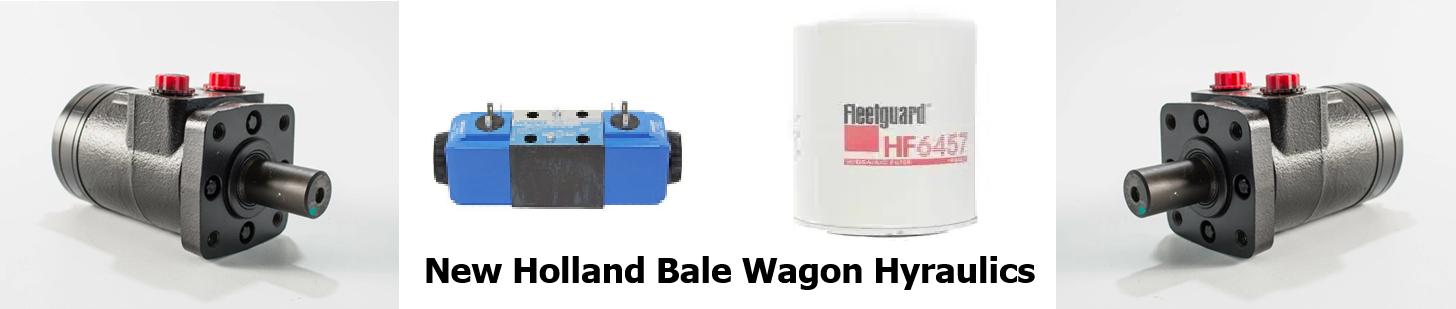
Get your New Holland Bale Wagon Hydraulic Filters here at Emerson Ag. Follow this link to add Hydraulic Filters to your next motor change.

1 year warranty. Questions? Please Contact Us.

Hydraulic Fluid & Filter Maintenance

Hydraulic oil does much more than transfer power, unquestionably, It lubricates moving parts, helps control heat, protects against corrosion, and carries contamination to the filters. Clean, correct hydraulic fluid helps equipment operate smoothly and protects costly pumps, valves, cylinders, and hydraulic motors.

Hydraulic filters remove damaging dirt, metal particles, water-related debris, and other contaminants before they can circulate through close-tolerance hydraulic components. A neglected filter can become restricted or go into bypass, allowing unfiltered oil to circulate and accelerating wear.

For the best protection, inspect hydraulic oil level and condition regularly, replace filters at the manufacturer’s recommended interval, and change hydraulic fluid based on the OEM schedule or oil-analysis results.

These are general service guidelines only. Your equipment manufacturer’s maintenance manual and any warranty requirements should always take priority.

Maintenance itemTypical guidelineWhat to look for
Hydraulic oil levelBefore operation or dailyCorrect level, no leaks, no foaming
Hydraulic oil conditionDaily or weeklyOil should generally be clean and clear—not milky, excessively dark, burnt-smelling, or full of visible debris
Hydraulic filter restriction indicatorDuring normal inspectionsService the filter when the indicator shows restriction; do not wait for loss of hydraulic performance
Break-in filter serviceOften around the first 50 operating hours, if specified by the OEMNew systems can release manufacturing and break-in debris
Routine hydraulic filter replacementCommonly 250–1,000 operating hours, depending on equipment and OEM instructionsReplace sooner in dusty, high-load, high-temperature, or wet conditions
Hydraulic fluid replacementOften 1,000–4,000 operating hours, depending on equipment, fluid, and operating conditionsUse the OEM interval, or extend/shorten intervals based on oil analysis
Oil sampling/analysisAt regular scheduled intervals on heavily used or critical equipmentChecks contamination, viscosity, water, oxidation, and wear metals

A fixed oil-change interval is not ideal for every machine. Oil analysis is the most reliable way to determine whether hydraulic fluid remains suitable for service or needs replacement, since heat, moisture, dirt, and operating severity can shorten its useful life.

Why it matters

Contamination is a leading cause of hydraulic-system damage. Abrasive particles can score pump and valve surfaces, plug small passages, damage seals, and cause slow, erratic, or weak hydraulic operation. Proper filtration and clean oil reduce the risk of expensive component failures and unplanned downtime.

Regular service can help:

  • Protect hydraulic pumps, motors, valves, cylinders, and seals.
  • Maintain lifting power, cycle speed, steering response, and implement performance.
  • Reduce overheating caused by restricted filters, incorrect fluid level, or degraded oil.
  • Prevent water contamination, rust, corrosion, and poor lubrication.
  • Identify a developing problem before it becomes a major repair.
  • Reduce downtime during planting, haying, harvest, construction, or other time-sensitive work.

Service sooner in severe conditions

Shorten the normal maintenance interval when equipment operates in conditions such as:

  • Heavy dust, dirt, chaff, or debris.
  • High ambient temperatures or repeated overheating.
  • Continuous high-load or high-cycle work.
  • Wet, humid, or water-exposure conditions.
  • Small hydraulic reservoirs or compact equipment.
  • Frequent attachment changes, hose failures, or hydraulic repairs.
  • Evidence of contamination, premature filter restriction, or poor hydraulic performance.
  • Dusty, high-temperature, and severe-duty operation can require considerably more frequent service than normal-duty equipment.

Warning signs to act on

Service and investigate the system promptly if you notice:

  • Milky or cloudy oil, which can indicate water contamination.
  • Darkened oil, burnt odor, or excessive heat.
  • Foamy oil or jerky/slow hydraulic movement, which may indicate air entering the system.
  • Metal particles or visible debris in the oil or filter.
  • Hydraulic functions that are weak, noisy, slow, or erratic.
  • A filter-restriction indicator showing service is required.
  • Repeated filter plugging before the scheduled interval.
  • Leaks, low oil level, or damaged breather caps and filler seals.
  • Milky oil, foam, burnt odor, or abnormal hydraulic operation are signs that the system should be inspected rather than simply topped off and put back to work.

Best practices

  • Use only the hydraulic fluid grade and specification required by the equipment manufacturer.
  • Use quality filters that meet the correct fit, bypass, flow, and micron-rating requirements.
  • Clean the filler area, filter head, dipstick, and container tops before opening the hydraulic system.
  • Keep replacement oil sealed and stored in a clean, dry location.
  • Replace damaged reservoir breathers and filler-cap seals to keep dirt and moisture out.
  • Record operating hours, oil type, filter part number, service date, and oil-analysis results.
  • After a major hydraulic failure or component repair, follow the OEM flushing and filter-replacement procedure before returning the machine to service.
Posted on

New Holland Bale Wagon Filters

New Holland Bale Wagon Filters

Shop by filter type

Engine oil filters

Replace your New Holland bale wagon engine oil filter at every recommended oil-service interval. A quality lube filter helps control soot, metal particles, and other contaminants that can accelerate engine wear.

Shop for:

Air filters

Bale handling creates a dusty work environment, making regular air-filter inspection especially important. Shop primary outer air filters and safety/secondary air filters for compatible New Holland bale wagon applications.

Shop for:

  • New Holland bale wagon primary air filters
  • New Holland secondary air filters
  • Engine air cleaner elements
  • Donaldson and Fleetguard air filters
  • Replacement air-filter assemblies and elements

Hydraulic filters

Hydraulic filtration helps protect high-cost components such as pumps, spool valves, motors, cylinders, and steering components. Select the correct filter by your wagon’s exact model, serial range, and OEM filter number.

Shop for:

  • New Holland bale wagon hydraulic filters
  • Hydraulic return filters
  • Hydraulic suction filters
  • Spin-on hydraulic filters
  • Hydraulic filter cartridges
  • Hydraulic breather filters

Transmission filters

Transmission filters are application-specific and should always be matched to the correct transmission and part number. This is especially important on self-propelled bale wagons with automatic or Allison transmission applications.

Shop for:

  • New Holland bale wagon transmission filters
  • Allison transmission filters
  • Transmission oil filters
  • CNH transmission-filter replacements
  • OEM, Donaldson, and Fleetguard cross-reference filters

Fuel filters and water separators

Protect diesel injection-system components with a clean fuel filter and water separator. Replace filters at the recommended interval and drain water separators as required during the season.


FAQ content

What filters does a New Holland bale wagon use?

Depending on the bale wagon model and configuration, routine service filters can include engine oil filters, primary and secondary engine air filters, fuel filters, water separators, hydraulic filters, transmission filters, and sometimes hydraulic breathers or coolant filters. Confirm fitment by model, serial number, engine, transmission, and OEM filter number.

How do I find the correct New Holland bale wagon filter?

Start with the bale wagon model and the number stamped on the old filter. Then compare the OEM New Holland/CNH number, dimensions, thread size, seal configuration, micron rating, bypass-valve requirements, and application notes. For hydraulic and transmission filters, never select by appearance alone.

Are hydraulic and transmission filters the same?

Not necessarily. Some equipment applications use separate hydraulic and transmission filters, while others have shared hydraulic/transmission fluid systems with different filtration locations. Use the exact service manual, parts catalog, or confirmed OEM cross-reference for your specific bale wagon.

Why does my bale wagon need a secondary air filter?

The secondary or safety air filter provides a backup layer of engine protection if the primary filter becomes damaged, improperly seated, or heavily loaded with dust. Do not remove it for routine cleaning; replace it according to the machine manufacturer’s service guidance.

Can I use an aftermarket filter on a New Holland bale wagon?

Yes—when it is a verified cross-reference from a reputable manufacturer and meets the correct fitment and filtration specifications. Match more than the outside dimensions: thread, gasket, bypass setting, filtration media, micron rating, flow capacity, and system application all matter.

Posted on

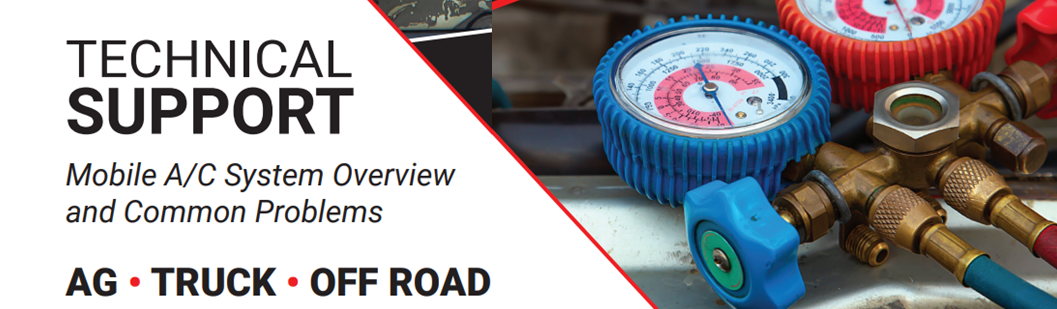
Air Conditioning Technical Help

air conditioning technical help

A/C Hose/Fitting Detail Chart

Fitting/Hose Information

Aeroquip E-Z Clip Assembly Instructions

Quick Clip Fitting Instructions

AC System Troubleshooting Document

Technical Support Guide

Complete AC System Overview

A/C – TXV Valve System w/ Rec. Drier – Data Sheet

A/C – Orifice Tube System – Data Sheet

A/C – TXV Valve System w/ Desiccant – Data Sheet

Compressor/Clutch Technical Information

Complete Guide to Clutch Specifications

A6 Breakaway Torque Specs

Non Warranty Examples

Sanden Identification

Sanden Torque Specifications

Sanden Compressor Gauge Line Measurements

Specific Compressor Torque Specifications

Troubleshooting Guide to Compressors

York Compressor Gauge Line Measurements

York Style – Head Type Identification

Condenser Technical Information

Condenser Coil Types

Condenser Testing – Temperature

Measurement Charts

Fraction to Decimal Conversions

Measurement Guide

Metric to Standard Conversions

Oil Specifications

Understanding Oil Properties

Pressure Switches

Normally Open/Closed Identification

Trinary Switch Wiring Guide

Converting R134A and Freeze 12

Refrigerant Requirements

Refrigerant Regulations

From our specialist at AP Air Inc. comes all the Air Conditioning Technical Help needed to do it yourself repairs properly on your bale wagon, tractor or harvester.

Once you have figured it out go to Air Conditioning Parts here and get your quality repair parts at low pricings.

Posted on

New Holland Bale Wagon Repair Parts

New Holland Bale Wagon Parts

New Holland Bale Wagon Repair Parts

Models covered:

  • 1000 – AUTOMATIC BALE WAGON(07/68 – 07/73)
  • 1002 – BALE WAGON(07/73 – 07/81)
  • 1005 – AUTOMATIC BALE WAGON(07/68 – 07/73)
  • 1010 – AUTOMATIC BALE WAGON(07/68 – 07/73)
  • 1012 – BALE WAGON(07/73 – 07/77)
  • 1024 – BALE WAGON(07/66 – 07/67)
  • 1030 – BALE WAGON(01/64 – 07/70)
  • 1032 – BALE WAGON(07/71 – 07/78)
  • 1033 – BALE WAGON(07/72 – 07/78)
  • 1034 – BALE WAGON(07/73 – 07/78)
  • 1035 – BALE WAGON(07/65 – 07/68)
  • 1036 – BALE WAGON(07/78 – 08/88)
  • 1037 – BALE WAGON(12/84 – 09/14)
  • 1038 – BALE WAGON(07/78 – 05/95)
  • 1040 – BALE WAGON(07/62 – 07/64)
  • 1044 – BALE WAGON(07/66 – 07/71)
  • 1045 – BALE WAGON(07/62 – 07/65)
  • 1046 – BALE WAGON(07/65 – 07/68)
  • 1047 – BALE WAGON(07/66 – 07/70) – Ford 240 cu in, 6 cylinder gas
  • 1048 – BALE WAGON(07/68 – 07/78) – Ford 361 cu in, V8 gas
  • 1048-SUPER – AUTOMATIC BALE WAGON(01/77 – 12/77) – Ford 361 cu in, V8 gas
  • 1049 – BALE WAGON(07/70 – 07/77) – Ford 361 cu in, V8 gas
  • 1049-SUPER – AUTOMATIC BALE WAGON(01/77 – 12/77) – Ford 361 cu in, V8 gas
  • 1063 – BALE WAGON(07/76 – 07/82) – PT
  • 1065 – BALE WAGON(07/74 – 07/77)
  • 1068 – BALE WAGON(07/77 – 07/88) – Ford 460 cu in, V8 gas or Perkins 354 diesel 6 cylinder
  • 1069 – BALE WAGON(07/77 – 07/88) – Ford 460 cu in, V8 gas or Perkins 354 diesel 6 cylinder
  • 1075 – BALE WAGON(07/77 – 07/88) – Ford 460 cu in, V8 gas or Perkins 354 diesel 6 cylinder
  • 1078 – BALE WAGON(07/88 – 11/94) – Ford 401 CID (6.6L) 6 cyl
  • 1079 – BALE WAGON(07/88 – 01/94) – Ford 401 CID (6.6L) 6 cyl
  • 1085 – BALE WAGON(07/88 – 11/94) – Ford 401 CID (6.6L) 6 cyl
  • 1089 – SELF PROPELLED BALE WAGON(12/94 – 11/03)
  • 1095 – SELF PROPELLED BALE WAGON(12/94 – 11/03)
  • 8500 – SELF PROPELLED BALE WAGON(07/81 – 07/82) – Perkins 354 diesel 6 cylinder
  • BW28 – SELF-PROPELLED BALE WAGON(11/03 – 05/07) – Ford 411 CID (6.7L) 6 cyl Turbocharged & After Cooled
  • BW38 – SELF-PROPELLED BALE WAGON(11/03 – 05/07) – Ford 411 CID (6.7L) 6 cyl Turbocharged & After Cooled
  • H9870 – SELF-PROPELLED BALE WAGON(06/07 – 12/14) – IVECO NEF 6 Cyl. Engine
  • H9880 – SELF-PROPELLED BALE WAGON(06/07 – 09/16) – IVECO NEF 6 Cyl. Engine
  • STACKCRUISER 102 – BALE WAGON(07/17 – ) – Tier4B Emissionized 6.7L
  • STACKCRUISER 103 – BALE WAGON(07/17 – ) – Tier4B Emissionized 6.7L
  • STACKCRUISER 105 – BALE WAGON(07/17 – 12/18) – Tier4B Emissionized 6.7L

Bale Wagon Repair Parts available at an affordable price in your area?

Many of the everyday bale wagon repair parts are either not available or are at a price range that is out of reach. If you have a Bale Wagon and need quality replacement parts, we are your parts source.

Chassis parts, engine parts, belts, chain, filters and much more! Fleet Direct discount is available. Just visit our site and look for what you need. Once you log-in your fleet discounts will display. Don’t go another day paying too much to keep your bale wagon in great shape to last! Continue reading New Holland Bale Wagon Repair Parts

Posted on

Diesel Oil Filters Need To Be Replaced!

Diesel Oil Filters Need To Be Replaced!

The Lubrication SystemHere is a quick lesson on why oil filters need to be replaced. Nothing will damage your engine in the short term and long term as quickly as oil that is not properly serviced. Coolant runs a close second, but without proper oil maintenance your engine basically shuts down. Rod bearing or main bearing failure, due to low oil pressure is the most drastic of failures. These bearings are in direct contact your crankshaft and have oil “pressurized” past them. When the oil becomes excessively contaminated or low oil pressure, the bearing can “seize” to the crankshaft. If a rod bearing seizes to the crankshaft, the crankshaft is generally damaged. If a main bearing seizes to the crankshaft, the crankshaft and most often the engine block is damaged also. If the main bearing “spins”, the block where the bearing rides wears so that the block will not hold a new bearing. Continue reading Diesel Oil Filters Need To Be Replaced!