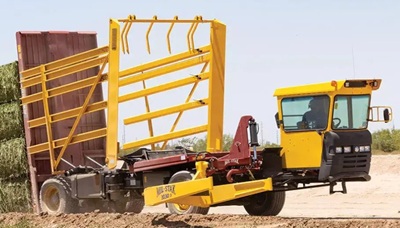
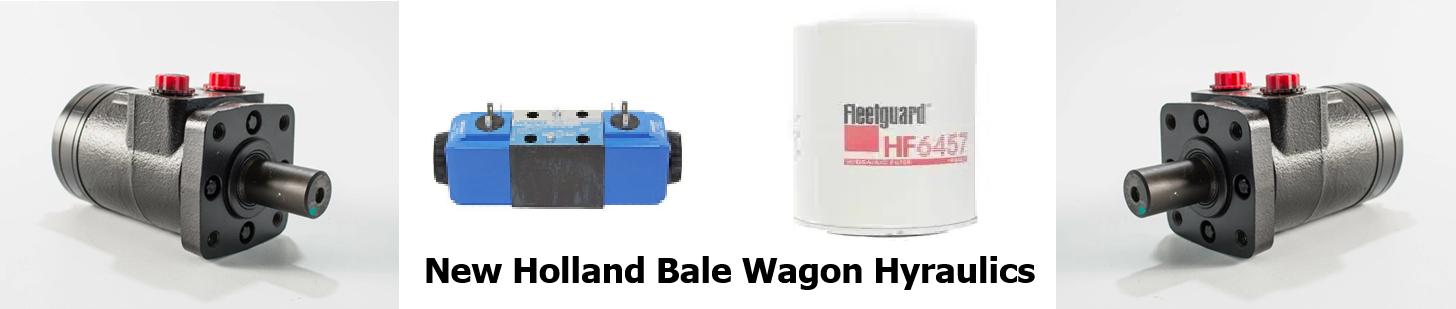
Find repair and maintenance parts for New Holland Stackcruiser 102, 103 and 105 bale wagons at Emerson AG & Industrial. Our online parts store includes dedicated categories for each model, helping you locate parts by machine model, component type or part number.
Browse hydraulic components, brake parts, axle bearings, suspension parts and electrical accessories. The Stackcruiser 105 category includes directional control valves, hydraulic motors, disc brake pads, front leaf springs, rear axle bearing sets, work lamps and other replacement components. Model coverage varies by product, so verify fitment in the individual listing before purchasing.
The catalog includes standard and heavy-duty front leaf spring listings under part numbers 84418673 and 84357339, along with the 48060232 Stackcruiser rear U-bolt. Electrical and lighting listings include the 48102484 alternator, identified for Stackcruiser 102 and Stackcruiser 105 models, plus safety gate switches, flood work lamps, side marker lamps and stop/tail/turn lamps. Check each listing for the correct configuration and model application.
Order Stackcruiser parts online
Select the category for your Stackcruiser 102, 103 or 105, or use the store search to find a specific part number. Review the product description and compatibility details before placing your order. Emerson AG & Industrial’s web store is available 24 hours a day, seven days a week, and all orders must be placed online.
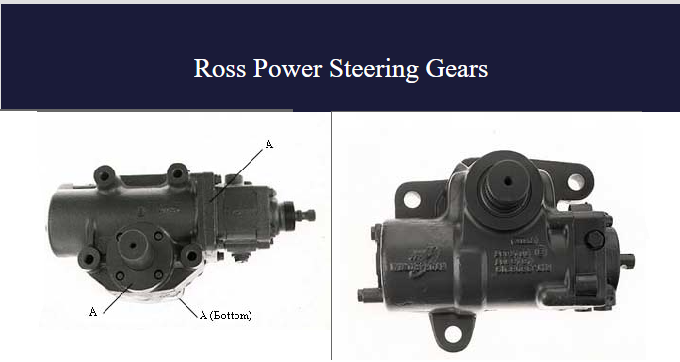
This will work for your New Holland Bale Wagon and more equipment. If you have issues with New Holland Bale Wagon Power Steering, troubleshooting is often necessary to identify the cause before repairs. For detailed instructions, see our New Holland Bale Wagon Power Steering Troubleshooting Guide. If you find your Bale Wagon steering gear is malfunctioning we can rebuild it back to new condition. Exceptions are the HF54 series on many older wagons, if you have a broken sector shaft or worm gear is may be difficult to find, but don’t get discouraged. Give us a try. Find your steering gear here.
Power Steering Troubleshooting and Identification
Additionally, we are not limited to New Holland Bale Wagon steering repairs. Can’t find what you need? Contact Us
Possible Steering Problems & Causes
Normal Noises:
-You or the driver may hear a hissing noise from the control valve when it is actuated during a steering maneuver. -You or the driver may hear a noise as fluid bypasses through the poppets at full turn. -You or the driver may hear a noise from the system relief valve when it is required to actuate. -You or the driver may hear pump growl from some types of power steering pumps
Abnormal Noises:
– If the power steering pump is belt driven, a squealing noise may indicate that the belts should be tightened or replaced. – A clicking noise heard during a turn, or when changing directions, may indicate that some component is loose and shifting under load. – A change in the normal noise of the pump may indicate a faulty valve or wear in the pump. – A change in the normal noise of the pump may be due to kinked or plugged hoses. – Because of plugged filter there may be a whining from the pump. – Improper adjustment of gear box will result in abnormal noise from pump.
Drift or Wander:
– Tire pressure incorrect or unequal pressure left side to right side. – Components in steering linkage loose or worn (steering wheel to road wheel). – Wheel bearings improperly adjusted or worn. – Front end alignment out of specification. – Read end alignment out of specification.
No Recovery:
– Tire pressure low. – Front end components binding. – Front end alignment incorrect. – Tight front axle king pins. – Dry fifth wheel or poor finish on fifth wheel or trailer plate. – Steering column binding. – Pump flow insufficient. – Steering gear improperly adjusted. – Steering gear control valve sleeve sticking.
Shimmy:
– Badly worn or unevenly worn tires. – Improperly mounted tire or wheel. – Wheel bearing improperly adjusted or worn. – Components in steering linkage loose or worn. – Wheels or brake drums out of balance. – Front end alignment incorrect. – Air in the hydraulic system. – Free play in steering gear.
Oversteering or Darting:
– Dry fifth wheel or poor finish on the fifth wheel or trailer plate. – Front end components binding or loose. – Steering column binding. – Steering gear improperly adjusted. – Steering gear control valve sleeve sticking. – Rear axle mounts (rear steer).
External Oil Leakage:
– Finding the location of leak may be difficult, since oil may run away from leak source, the fittings, hoses, pump, or gear to a low point on the gear or chassis. – A leak from the vent plug at the side cover indicates failure of the sector shaft oil seal inside the side cover.
High Steering Effort in One Direction:
– Unequal tire pressure. – Vehicle overload. – Inadequate hydraulic system pressure. – Excessive internal leakage in one direction of turn only (of gear box) (verify with internal leakage test). – Valve misadjusted.
High Steering Effort in Both Directions:
– Low tire pressure. – Vehicle overload. – Low hydraulic fluid level. – Incorrect hydraulic fluid. – Low pressure or flow from pump. – Components of steering system binding. – Restriction in return line, or line too small in diameter. – Excessive internal leakage (verify with internal leakage test). – Oversize tires (check manufacturer’s specifications). – Loose pump drive belt. – Front end needs lubrication. – Improper front end alignment. – Air in hydraulic system.
Lost Motion (LASH) at the Steering Wheel:
– Steering wheel loose on the shaft. – Loose connection between the steering gear, intermediate column, and steering column. – Steering gear loose on frame. – Pitman arm loose on output shaft. – Components in steering linkage loose or worn. – Steering gear improperly adjusted or defective.
Excessive Heat (150°F [65.6°C]):
– Excessive pump flow. – Vehicle overloaded. – Undersized replacement hose or line. – Restricted hose or line that is kinked or severely bent or internally blocked. – Restricted recentering of gear valve caused by column bind or side load on the input shaft. – Poppet not adjusted properly (only for gears equipped with poppets). – Prolonged stationary vehicle operation.
Cast and Stamp Numbers
Cast Numbers: These numbers are made in the housing during the casting process. These numbers can be depression or can be raised.
Casting numbers can ONLY identify the series of gear box. In some cases (Saginaw for example) they are one of the only forms of identification. But in most cases the casting number does not help to identify the gear box.
Stamp Numbers: When a number or letter stamp and a hammer are used to make an impression in the cast iron or aluminum housing, or on a metal tag pop riveted or bolted to the housing or cover. The stamp number usually starts with the same numbers as the series number.
Example stamp #TAS65027 series #TAS65
On many steering gears the only way to properly identify them is with the stamp number. This number is the part number assigned by the manufacturer.
When you are convienced the New Holland Bale Wagon Power Steering Troubleshooting Guide has helped your decisions, we can help you get back in the field with these following steering gears:
From our specialist at AP Air Inc. comes all the Air Conditioning Technical Help needed to do it yourself repairs properly on your bale wagon, tractor or harvester.
Once you have figured it out go to Air Conditioning Parts here and get your quality repair parts at low prices.
Don’t see what you need for your equipment? Contact us with your equipment and part information and we can find it for you.
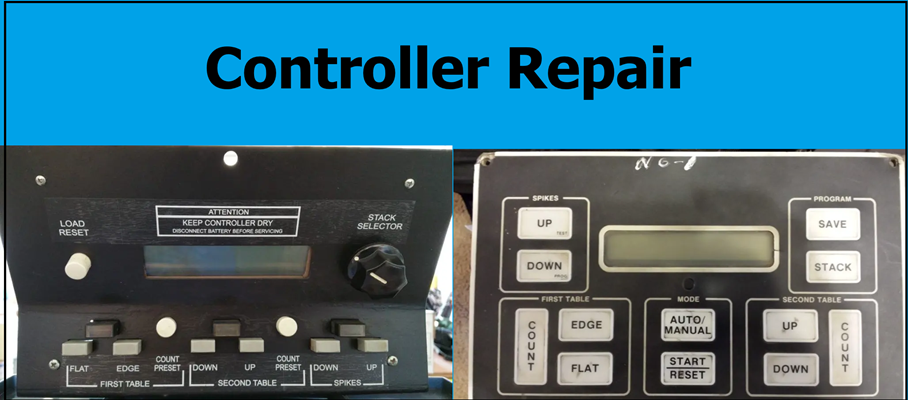
The New Holland Bale Wagon Controller plays a critical role in automating operation, involving the use of the monitor to select specific stacking configurations that determine how bales are arranged on the wagon’s tables and racks. The system automates the transition of bales between the first table, second table, and the rolling rack or load deck, ensuring stable and weather-resistant stacks. Operators can initiate specific actions, such as forming tie tiers for stability or capping tiers for weather protection, through the electronic interface, which simplifies the process compared to purely manual lever and cable controls found in older models like the 1033.
For older wagons (such as the 1075, 1085, 1089, 1095), the controller managed automatic functions but required repair by a certified dealer if it failed, as new units are no longer available from New Holland.
Troubleshooting Techniques
I have made available this troubleshooting guide for you to use if you no longer have yours at your disposal. Study it and rule out everything before contating us. BUT when you have exhausted the list and you no longer can rule out the controller call US and we can help.
Has your electronic controller stopped working? The display reading wrong or cannot not see it at all? Call us to arrange to send it in for refurbishing to original specifications. New Holland Bale Wagon Controller for 1085 and Controller for 1095 [1089] Repair. Includes Repair and New Display (99.9% that come to us have a bad, damaged or malfunctioning display.)
That’s were we come in. We can repair your controller if you find it is no longer operating as required. Although the controllers do malfunction and lose operation function, display function and more. The controller is not always the culprit. There are many inputs that must be operational to make the controller function properly. Many of these inputs are electrical such as battery voltage, fuses, relays and every connection in between. Grounds are just as important!
Preventative Maintenance Tips
Here is the link to the controllers we can repair:
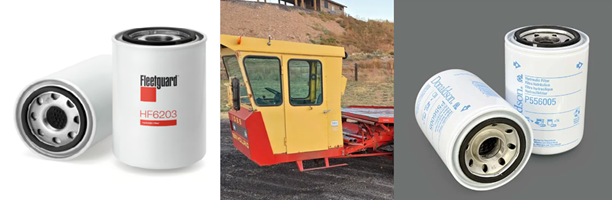
Use this New Holland bale wagon filter chart to help identify replacement filters. We have your oil, fuel, air, hydraulic, transmission, and other service filters for your machine. Filter applications can vary by bale wagon model. Check engine, serial number, system configuration, and prior equipment updates. Always verify the original filter number and dimensions before ordering.
Emerson Ag & Industrial supplies replacement parts and service items for New Holland bale wagons and related hay equipment. If you do not see the filter you need, contact us. Provide your bale wagon model, serial number, original filter number. Additionally add any available measurements or photos so we can help identify the correct replacement..
This chart is intended as a reference for common New Holland bale wagon filter applications. Models, production years, engine options, hydraulic systems, and previous repairs can affect the correct filter selection. Make sure to confirm the part number shown on the old filter whenever possible.
Before ordering a replacement filter, compare the original part number. Including thread size, gasket diameter, overall length, outside diameter, micron rating, and bypass-valve specifications when applicable. A filter may appear physically similar while still being incorrect for the system.
Send Emerson Ag & Industrial your New Holland bale wagon model and serial number. Include engine information, original filter number, and clear photos of the filter and mounting location. We will help you locate the correct replacement or cross-reference.
Contains information related to marketing campaigns of the user. These are shared with Google AdWords / Google Ads when the Google Ads and Google Analytics accounts are linked together.
90 days
__utma
ID used to identify users and sessions
2 years after last activity
__utmt
Used to monitor number of Google Analytics server requests
10 minutes
__utmb
Used to distinguish new sessions and visits. This cookie is set when the GA.js javascript library is loaded and there is no existing __utmb cookie. The cookie is updated every time data is sent to the Google Analytics server.
30 minutes after last activity
__utmc
Used only with old Urchin versions of Google Analytics and not with GA.js. Was used to distinguish between new sessions and visits at the end of a session.
End of session (browser)
__utmz
Contains information about the traffic source or campaign that directed user to the website. The cookie is set when the GA.js javascript is loaded and updated when data is sent to the Google Anaytics server
6 months after last activity
__utmv
Contains custom information set by the web developer via the _setCustomVar method in Google Analytics. This cookie is updated every time new data is sent to the Google Analytics server.
2 years after last activity
__utmx
Used to determine whether a user is included in an A / B or Multivariate test.
18 months
_ga
ID used to identify users
2 years
_gali
Used by Google Analytics to determine which links on a page are being clicked
30 seconds
_ga_
ID used to identify users
2 years
_gid
ID used to identify users for 24 hours after last activity
24 hours
_gat
Used to monitor number of Google Analytics server requests when using Google Tag Manager